Is Laser Hair Removal Permanent? What You Need to Know
Many people consider laser hair removal as a way to reduce unwanted hair for good. It promises less shaving, less waxing, and smoother skin. But is it really permanent? The answer is a bit complex.
Truth is, laser hair removal can give you long lasting results, but whether it stops hair forever depends on many things. In this article, we'll explain how laser hair removal works, what "permanent" really means, what factors affect how permanent the results are, what to expect, risks, maintenance, and whether it might work well for you.
How Laser Hair Removal Works
To understand permanence, first you need to know how laser hair removal works.
- Laser uses a beam of light that targets melanin — the pigment (color) in hair. The hair absorbs the light, heating up the hair follicle, and damaging it. When done well, this stops or slows down hair growth.
- However, hair doesn't grow all at once. Each hair follicle is in one of several phases:
- Anagen (growth phase) — hair is actively growing.
- Catagen (transition) — growth slows.
- Telogen (resting/shedding) — hair may fall out.
Only the hair in the growth (anagen) phase responds well to laser treatment. That's why multiple sessions are necessary — to catch hairs in the growth phase at different times.

What Does "Permanent" Mean in Laser Hair Removal?
The word "permanent" can lead to misunderstandings. Here's what it actually means in most legal and medical contexts:
The U.S. Food and Drug Administration (FDA) uses the phrase "permanent hair reduction" rather than "permanent hair removal"
Permanent reduction means a long term decrease in the number of hairs and in hair thickness and density, but it does not guarantee all hair will never grow back. Some regrowth is common. So the realistic expectation is: far less hair, finer hair if it regrows, and smoother skin. But expecting zero regrowth in every single follicle forever is not always realistic.

Factors That Affect How Permanent the Results Can Be
Whether your results are close to "permanent" depends on several personal and technical factors. Knowing these can help you predict what to expect.
| Factor | How It Influences Permanence |
|---|---|
| Skin tone & hair color | The contrast between hair color and skin tone matters a lot. Dark, coarse hair on lighter skin is easiest for laser to target well. If your hair is lighter (blonde, red, grey) or very fine, or your skin is very dark, the laser has a harder time. Newer lasers do better for more skin types, though |
| Hormones & hormone changes | Hormonal fluctuations (puberty, menopause, pregnancy, medical conditions like PCOS) can cause dormant follicles to become active again, producing hair even after treatment. That means even after successful sessions, new hair might appear later |
| Treatment area | Some body parts respond better than others. For example, underarms, legs, arms often show more lasting results. Face and neck are more influenced by hormones and may need more maintenance |
| Number of treatment sessions | More sessions generally mean better, more lasting results. Missing sessions or not completing a full treatment plan reduces how permanent your results will be. |
| Laser type and expertise | The kind of laser device used, the wavelength, how well it's calibrated, and how skilled the practitioner is matter a lot. Better equipment and good skill give safer and more permanent results. |
| Maintenance or follow up treatments | Even after the main treatments are done, occasional touch ups are usually necessary to maintain near permanent results. This is especially true in areas affected by hormones. |
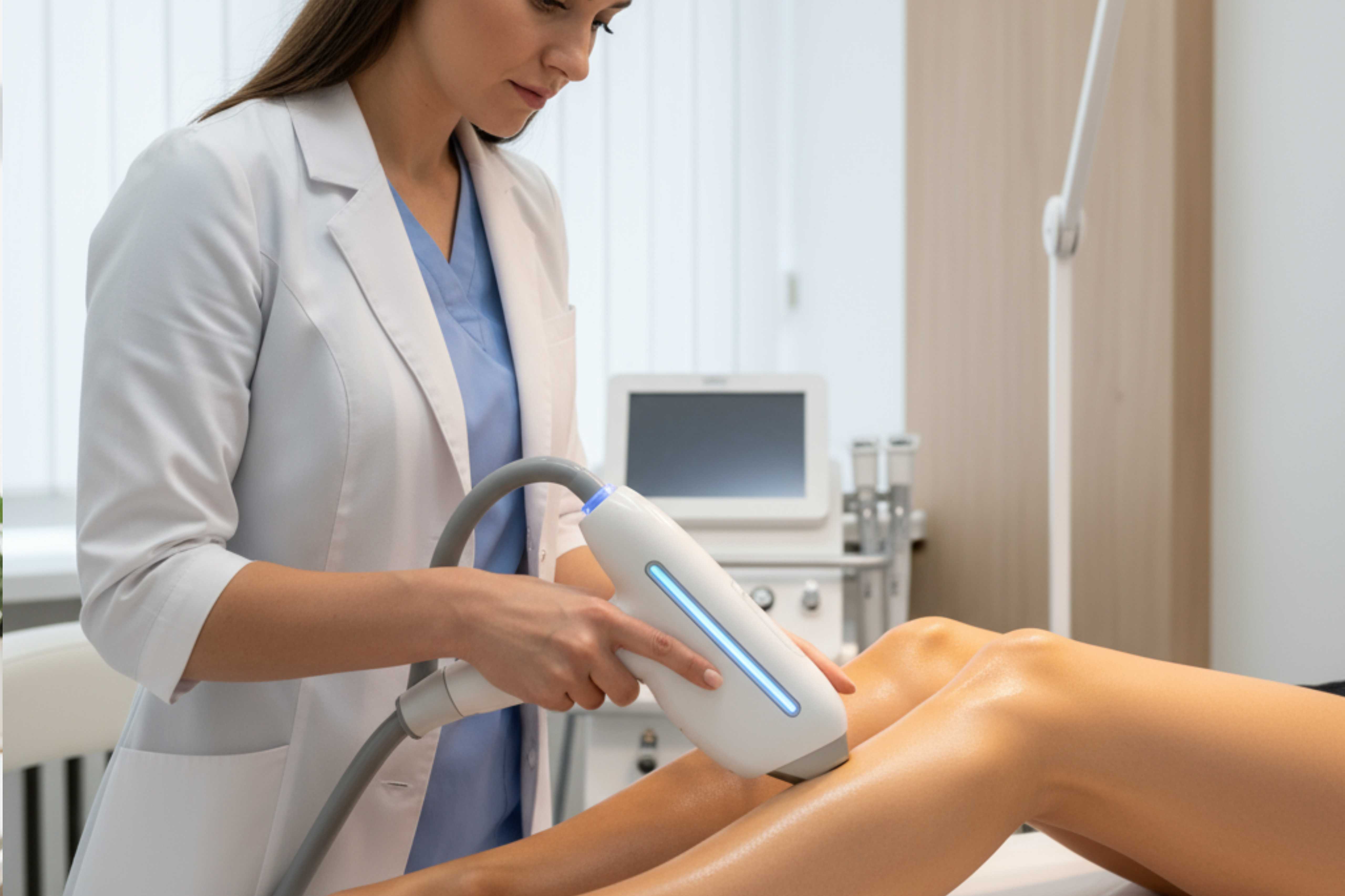
How Long Does the Hair Reduction Last?
People often want to know: after finishing treatments, how long will skin stay smooth and hair free?
- In many cases, people see months to years of very good hair reduction with little to no regrowth. Over time, some hair may regrow — usually thinner, lighter, and more sparse.
- Face or neck regions might need more frequent touch ups than legs or arms. Hormonal influences in those areas cause more regrowth.
Pros of Laser Hair Removal
- Long-lasting reduction in hair growth – Much less hair, often invisible or fine, after treatments.
- Smoother skin – Fewer ingrown hairs, less irritation from shaving or waxing.
- Time saved – Over years, less time spent shaving, waxing, etc.
- Less frequent maintenance – Once initial sessions are done, maintenance is occasional.
- Improved confidence and comfort – Especially in sensitive or visible areas.
Risks & Side Effects
- Skin irritation (redness, swelling) — usually temporary.
- Pigmentation changes — darker or lighter patches of skin, which may resolve over time or need treatment.
- Burns, blistering — rare, but possible, especially if laser energy is too high.
- Paradoxical hair growth (very rare) — sometimes laser can stimulate hair growth.
- Cost and discomfort — multiple sessions cost more, and sessions might feel uncomfortable.

Who Is a Good Candidate for Near Permanent Results?
To get results that last long (if not totally permanent), you likely will do well if:
- You have contrast between hair and skin (dark hair, lighter skin).
- Your hormones are stable (not having disorders, not going through big fluctuations).
- You complete the full course of treatment (all recommended sessions).
- You use proper follow up / maintenance treatments.
- You choose a good clinic with experienced staff and the right laser for your skin type.
What to Expect: Session Plan & Maintenance
Here's a typical plan of how things go:
- Consultation – The specialist examines your skin tone, hair color, medical history (including hormonal issues), and talks about realistic expectations.
- Treatment sessions – Usually 6-8 sessions spaced several weeks apart (often 4-6 weeks depending on the area). Each session targets hairs in the growth phase.
- Aftercare – Avoid sun exposure, use sunscreen, follow instructions. This helps avoid skin damage and helps maintain results.
- Results begin – After a few sessions, you'll notice less hair, thinner regrowth, slower regrowth.
- Maintenance – After finishing initial sessions, occasionally one session per year or every 6-18 months in some cases to deal with regrowth.
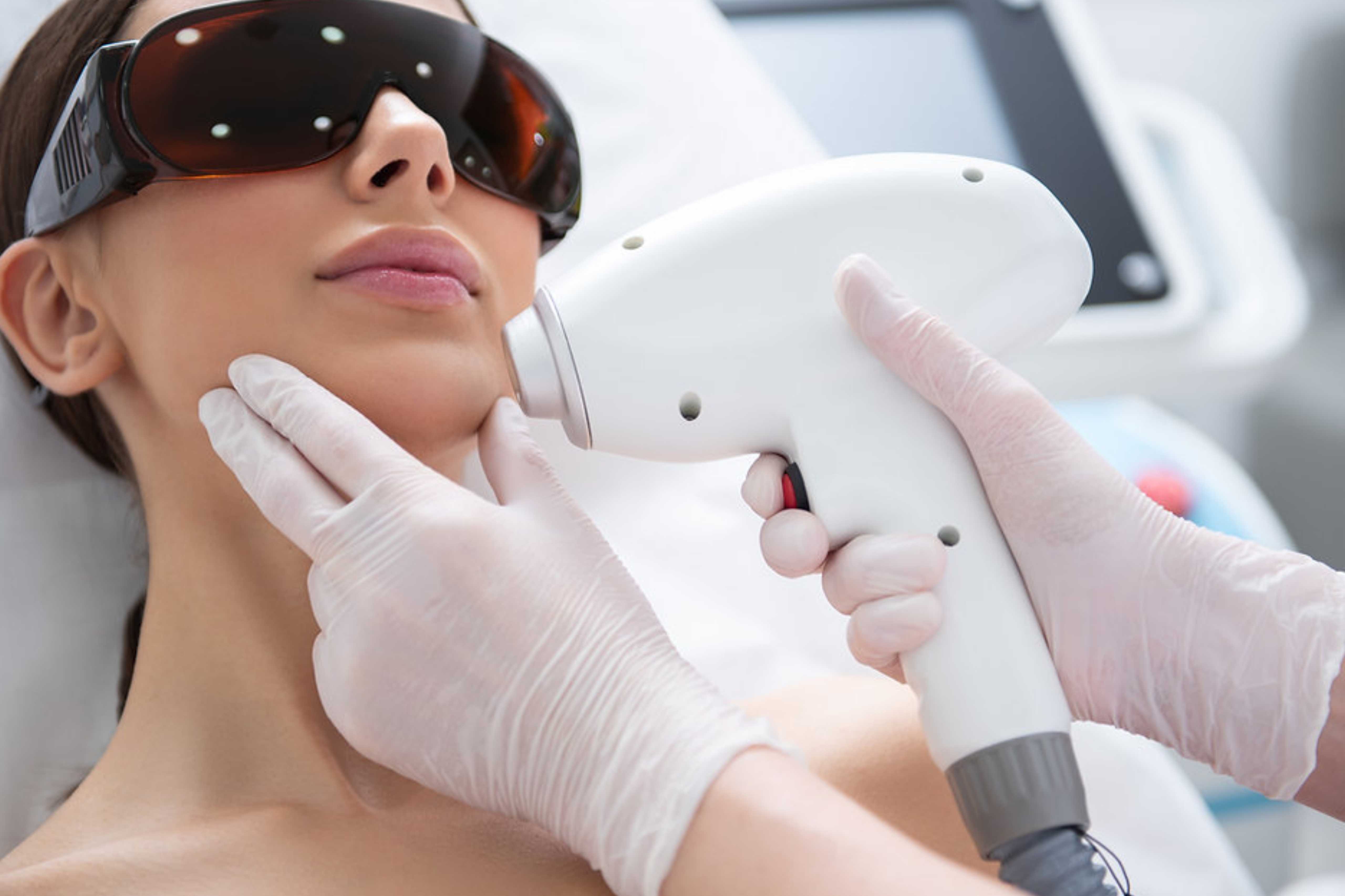
Examples & Real World Outcomes
- Many clinics report 80-90% hair reduction after full treatment. Some hair regrowth after 1-2 years is normal in hormonally active areas, especially face.
- In darker skin tones, more cautious settings are needed; results might be a bit slower but still good with modern lasers.
Alternatives & When to Consider Them
If laser hair removal isn't totally effective for you (e.g., you have very light hair, hormonal hair growth, very dark skin, or want 100% removal), you might consider:
- Electrolysis – FDA says this is the only method approved for true permanent hair removal follicle by follicle. Good especially for small areas. (It's slower and often more uncomfortable.)
- Combination methods – Laser first, then electrolysis for resistant hairs.
Frequently Asked Questions
A: It's more difficult. Because laser targets pigment (melanin), lighter or grey hair has less pigment, so laser is less effective. Sometimes special lasers or more sessions help, but results may not be as permanent.
A: Yes—modern lasers can work safer on darker skin, but settings must be chosen carefully to avoid pigmentation issues.
A: It can. Hormonal changes, aging, or dormant follicles that weren't targeted might lead to some regrowth. But hair is usually lighter, thinner and less dense.
A: Most describe this as a snapping or stinging sensation. Pain depends on area, individual tolerance, and whether numbing cream or cooling is used.
Summary: What You Should Know
- Laser hair removal is very effective at long-term reduction of hair, but not always complete permanent removal.
- Many people achieve 80-95% reduction in hair after full treatment. Some hair may return over time (especially in hormonally affected areas).
- Permanent means long-lasting and significant reduction, not 100% guarantee for all hairs.
- Results are better if you have dark hair, lighter or medium skin, stable hormones, and good practitioner and equipment.
- Maintenance sessions help keep results.
Conclusion
So, is laser hair removal permanent? The answer is: almost permanent for many people, but not completely for everyone. With the right conditions — good clinic, correct laser, enough sessions, stable hormones — you can expect skin that stays smoother and less hairy for years. Some hair may return, but usually finer and lighter.
If you're considering laser hair removal, talk to a good dermatologist or laser specialist. Make sure you understand what your realistic results could be in your case. That way, you'll have smooth skin and realistic expectations—and be happier with your results.